×


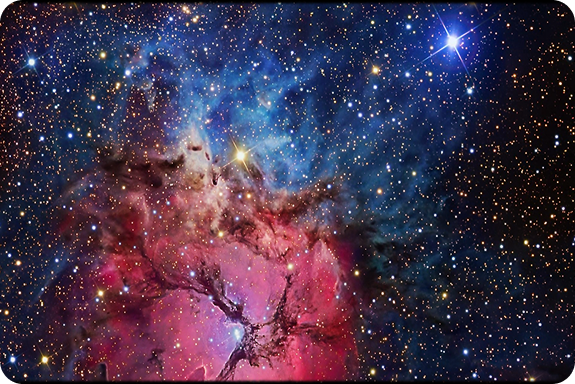
Until their youngest, Aria, discovered constellations.
It started as an experiment. Ms. Alvarez, a science teacher with a background in trauma-informed education, noticed her students had trouble settling into learning after lunch. Restlessness. Anxiety. Silence had turned into something heavy. She introduced a portable planetarium experience for 15 minutes twice a week.
Science Meets Structure
Studies from pediatric sleep clinics suggest that calming visual environments significantly improve melatonin release and reduce nighttime resistance in children. Cosmic light paired with ambient sound engages the parasympathetic nervous system, triggering relaxation.
Astronomy as Family Bonding
More than relaxation, space can be a family connector. Parents and children exploring celestial stories together find ways to talk beyond the to-do list. The mythology of Orion, the science behind Mars, the color of nebulae—these become the new family lore.
Sleep Tools That Actually Work
Unlike noisy white noise machines or overstimulating light projectors, tools like GalaxyEase use guided visual rhythm, low-frequency sound, and scientifically accurate projections to align with natural circadian cues.
“Now, it’s not about falling asleep,” Jason says. “It’s about dreaming before sleep even begins.”
