By: Brian Tilton
August 18, 2024
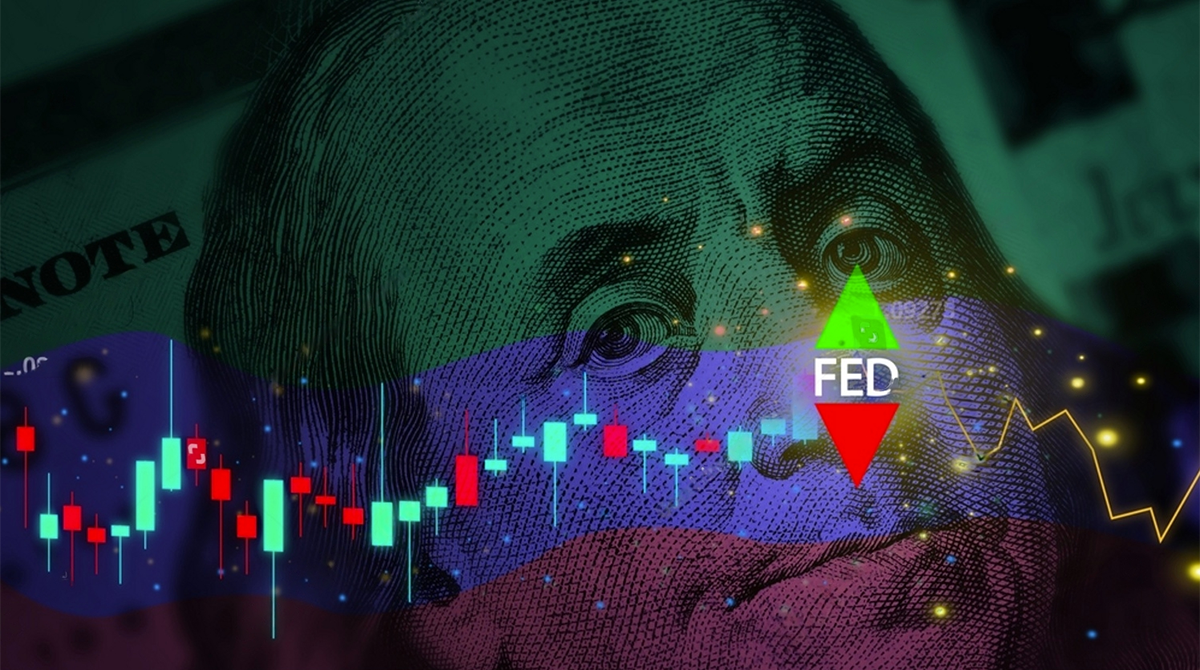
Does the Federal Reserve (Fed) Directly Control Mortgage Rates?
No. The Fed does not directly set mortgage rates.
When the Fed cuts the fed funds rate, say by 0.25%, does that mean mortgage rates will come down by 0.25%?
No, mortgage rates don’t automatically adjust in lockstep with changes to the fed funds rate.
So why is the FOMC rate decision one of the most widely followed and anticipated events for those who track and analyze mortgages?
To properly understand this phenomenon, let’s step back and discuss some preliminary information.
The Federal Reserve’s Dual Mandate
The Federal Reserve is tasked with two primary objectives, often referred to as its dual mandate:
- Maximize Employment: Ensure that as many people as possible are able to find jobs, fostering a healthy labor market.
- Stable Prices: Keep inflation at a stable rate, generally around 2% per year, which helps maintain purchasing power and economic stability.
Tools of the Federal Reserve
To achieve these objectives, the Fed uses several tools, with the two most frequently employed being:
- Federal Funds Rate (fed funds rate)
- Open Market Operations
The Federal Funds Rate
The fed funds rate is the interest rate that banks and other financial institutions within the Federal Reserve System charge each other for overnight loans on reserves deposited at the Fed. The critical point to understand is that this is a 1-day, overnight rate, making it extremely short-term in nature.
In contrast, the most common mortgage term is 30 years, so there is a significant difference between the short-term nature of the fed funds rate and the long-term commitment of a mortgage. The Fed effectively sets the fed funds rate through its open market operations, entering into repurchase (repo) and reverse repurchase (reverse repo) agreements with banks. While the technical details of these transactions are complex, what’s important to grasp is that the Fed controls the fed funds rate.
How the Fed’s Rate Decisions Influence Mortgage Rates
When the Fed increases the fed funds rate, it raises the cost of overnight borrowing for banks. Banks typically respond by increasing the cost of consumer credit, including mortgage rates, although not directly. This rise in consumer credit costs tends to slow consumer spending, contributing to an economic slowdown. As the economy slows, longer-term interest rates, including mortgage rates, may come down.
However, this relationship isn’t always straightforward. Mortgage rates are influenced by various factors, including inflation expectations, global economic conditions, and investor demand for safe-haven assets like U.S. Treasuries. Because mortgage rates reflect long-term borrowing costs, they are more closely tied to the yields on 10-year Treasury bonds than to the short-term fed funds rate.
Open Market Operations and Asset Purchases
Another powerful tool in the Fed’s arsenal is its open market operations, including large-scale asset purchases. During times of economic distress, like the COVID-19 pandemic, the Fed may purchase vast quantities of Treasury bonds and mortgage-backed securities (MBS) in the open market. These purchases inject liquidity into the financial system and create demand for these securities, driving up their prices and, consequently, lowering their yields (interest rates).
For example, during the COVID-19 pandemic, the Fed added approximately $4 trillion of Treasuries and MBS to its balance sheet, essentially doubling its size. While these actions can help stabilize markets and spur demand in the short run, they also carry the risk of contributing to inflationary pressures in the future.
Understanding Long-Term Rates and Market Expectations
A crucial concept to grasp is that long-term interest rates, such as mortgage rates, reflect where “the market” anticipates rates will be in the future. The market is forward-looking and reacts to future expectations rather than the current state of events.
For instance, when the Federal Open Market Committee (FOMC) – the subcommittee within the Fed responsible for determining the fed funds rate – announces its decisions, the market doesn’t just react to the current rate change. Instead, investors and analysts scrutinize the Fed’s language and economic projections to anticipate the future path of interest rates. This is why a single rate cut or hike doesn’t always translate to a corresponding change in mortgage rates; it’s the market’s expectations of where rates are headed that truly drive long-term borrowing costs.
Conclusion
In summary, while the Fed does not directly control mortgage rates, its policies and actions, especially regarding the fed funds rate and open market operations, significantly influence the broader economic conditions that indirectly affect mortgage rates. Understanding the nuanced relationship between the Fed’s decisions and mortgage rates can empower borrowers and investors to make more informed financial decisions.