Conventional

What is a conventional loan? A loan that isn’t guaranteed or insured by the government; such as an FHA, VA, USDA loan.  Fannie Mae & Freddie Mac provide liquidity to the conventional mortgage market by purchasing conventional loans that meet their guidelines.

Pros

  • In general, if a borrower has a down payment of 20% or more, and if the loan amount falls within Fannie/Freddie loan limits, rates will be most advantageous. 

Cons

  • Eligibility guidelines are stricter than other programs
image
image-86sA1bGmV-transformed
image

FHA

What is a an FHA loan? A mortgage loan insured by the Federal Housing Administration (FHA).

  • Pros:
    Permits loan-to-values (LTV) up to 96.5%
  • Allows a debt-to income ratio (DTI) of 55%
  • Lower credit score requirement
  • Permits lower credit scores than conventional loans
  • Shorter seasoning period after a major event such as a foreclosure, bankruptcy or missed payment.
  • Cons:
    Requires mortgage insurance premium (MIP) for the life of the loan; even if the LTV is lowered. MIP has two components:
    • Upfront: This is a one-time 1.75% of the loan amount, payable at closing.
    • Monthly: This is an ongoing payment equal to 0.55% annually.

VA

What is a VA loan? A government-backed loan available to veteran’s, active service members, and surviving spouses.

Pros:

  • No down-payment required. Borrowers can purchase up to 100% LTV.
  • Private mortgage insurance (PMI) is not required.
  • Can convert 100% of home’s equity into cash if you qualify
  • VA loans are assumable

Cons:

  • Requires a one-time VA funding fee. The specific funding fee rate varies by a variety of factors but a guideline is as follows:
    • No down payment:
      • First-time using a VA loan: 2.3%
      • Borrowers with a previous VA loan: 3.3%
        Down payment of 5% - 9%: 1.5%
        Down payment of 10% or more: 1.25%
    • VA loans are only permitted on primary residences.
Screenshot_2-_nUtLvNrK-transformed
image
image

USDA

What is a USDA loan? A government-backed mortgage program designed to promote homeownership in rural and suburban areas.

Pros:
• No down-payment required. Borrowers can purchase up to 100% LTV.
• No cash reserves are required.
Cons:
• Geographic Restrictions: Limited to specific rural and suburban areas.
• Income Limits: Intended for moderate-to-low income borrowers.

Non-Conforming Jumbo

What is a jumbo loan: Loan that exceeds the conforming loan limits set by the Federal Housing Finance Agency (FHFA).  Loan held by a private investor rather than insured by the government or government sponsored enterprise:

Pros:

  • Larger loan amounts up to $2.5 million

Cons:

  • Usually a larger down payment is required.
  • Usually, though not always, the interest rate is higher than conventional conforming loans.
pst2
image
image

Non-QM

What is a Non-QM Loan:  A loan that does not meet the Consumer Financial Protection Bureau’s requirement for a qualified mortgage.  Often the loan contains a non-typical or a borrower’s credit history may have an adverse event.

Pros: 

  • Flexibility: Non-QM loans have less restrictive eligibility criteria, making it easier for self-employed individuals or borrower’s with unique financial situations to qualify.
  • Higher loan amounts: Non-QM loans generally allow for larger loan amounts compared to conventional mortgages.
  • Alternative documentation: Many non-QM products allow alternative forms of income documentation.

Cons: 

  • Non-QM loans usually have higher interest rates due to not being insured by the government, and potentially having riskier characteristics.

DSCR

What is a DSCR loan:  Debt-Service Coverage Ratio loans (DSCR), are designed for real estate investors. DSCR loans prioritize the property’s income potential over the borrower’s traditional income verification (like W-2s or tax returns).  Approval is based on the property’s ability to generate rent income, making them attractive for new investors or those with non-traditional income sources.

Pros:

  • Faster Approval: DSCR loans streamline the process.
  • Investors can qualify for multiple properties.
  • You can generally buy properties under a limited liability company (LLC).

Cons:

  • DSCR loans generally have higher interest rates than conventional loans.
image
image

HELOCS

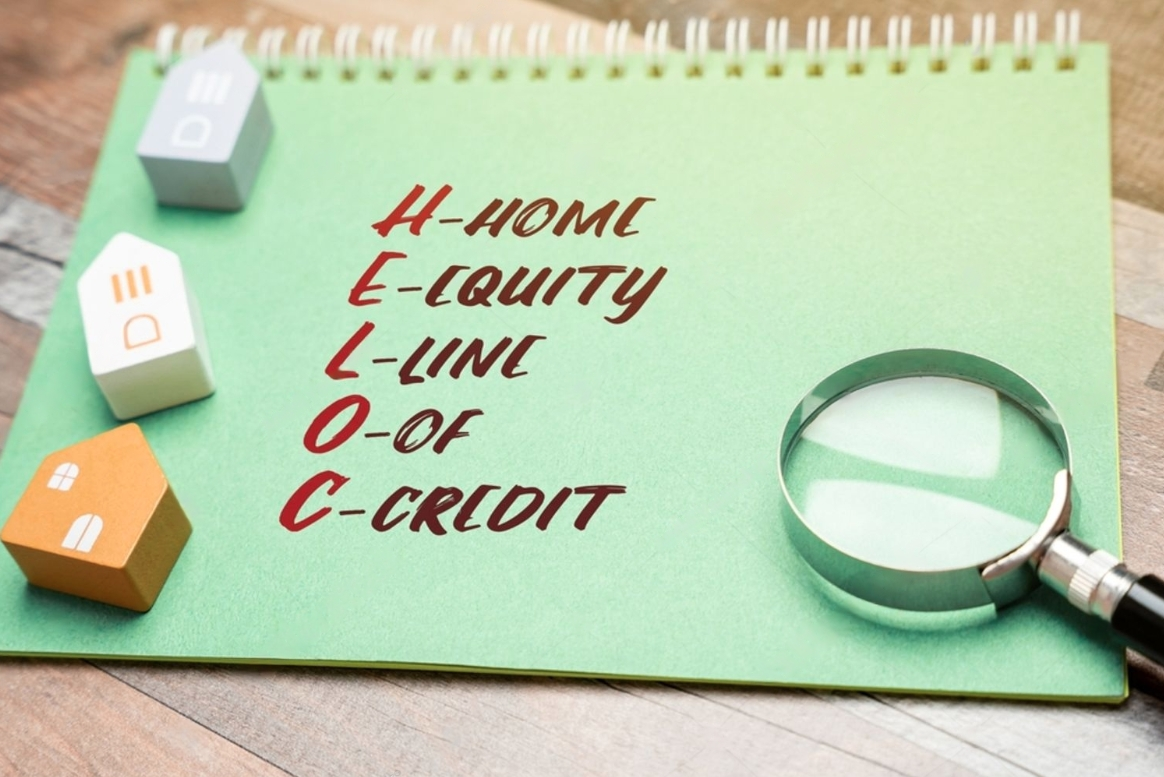
A home equity line of credit (HELOC) is a revolving credit line that allows you to tap into your home’s equity allowing you to spend the cash on whatever you want. Whereas other types of loans offer a lump sum payment, a HELOC gives you the flexibility to pull-out cash and pay-back as needed.

A HELOC can be a great choice it your existing first lien is at a below market interest rate and refinancing would increase the rate.  With a HELOC your first lien remains intact at whatever your current rate is, and a second lien is behind it. The key number to focus on is your weighted average rate.  We will provide you with this information so so can make an informed decision.   
2nd Liens

Lorem Ipsum is simply dummy text of the printing and typesetting industry. Lorem Ipsum has been the industry's standard dummy text ever since the 1500s, when an unknown printer took a galley of type and scrambled it to make a type specimen book. It has survived not only five centuries, but also the leap into electronic typesetting, remaining essentially unchanged. It was popularised in the 1960s with the release of Letraset sheets containing Lorem Ipsum passages, and more recently with desktop publishing software like Aldus PageMaker including versions of Lorem Ipsum.

 
image